
upload photo | donate | calendar
|
my profile |
register |
faq |
search upload photo | donate | calendar |
 12-22-2015, 01:22 PM
|
#41 |
|
User
Join Date: Jul 2007
Location: US
Posts: 3,843
Thanks: 132
Thanked 729 Times in 438 Posts
|

I tried 7.62mm Tokarev Snap Caps, they could not even stands well on the clip -- shaking the clip, a few snap caps will fall off from the clip. The fitting is very poor. By visual, I cannot tell snap caps dimensional difference either.
I bet Serbian made PPU 7.63mm were modified from their 7.62mm Tokarev. Historically, Yugoslav had tons of Tokarevs, not many Mausers. It would make sense for them to create 7.63 Mauser from 7.62 Tokarev for US C&R market. |

|

|
|
12-22-2015, 01:25 PM
|
#42 | |
|
User
Join Date: Jul 2007
Location: US
Posts: 3,843
Thanks: 132
Thanked 729 Times in 438 Posts
|
Quote:
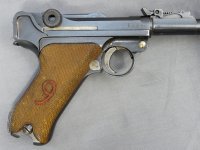
Suggest erasing the blue on lock frame using Casey Rust & Blue Remover. Original gun's lock frame is not blued. Not silver bright either. It should be hardened steel light grey color. There are some other places.. but I will keep those secret 
|
|
|
|
|
|
12-22-2015, 01:31 PM
|
#43 | |
|
Twice a Lifer
Lifetime Forum Patron 
Join Date: Mar 2011
Location: Atop the highest hill in Schuyler County NY
Posts: 3,419
Thanks: 7,605
Thanked 2,672 Times in 1,403 Posts
|
Quote:
__________________
"... Liberty is the seed and soil, the air and light, the dew and rain of progress, love and joy."-- Robert Greene Ingersoll 1894 |
|
|
|
|
|
12-22-2015, 01:38 PM
|
#44 | |
|
User

Join Date: Feb 2010
Location: Tennessee
Posts: 1,149
Thanks: 159
Thanked 664 Times in 318 Posts
|
Quote:
 I know about the lock block, I just thought it would look better like this. This one will hopefully be used, and the bluing will hold up better than bare metal. I would like to protect the hammer too, might try a dull nickel on the next one. Feel free to point out whatever you find, this will help me do better next time 
|
|
|
|
|
|
12-22-2015, 01:45 PM
|
#45 |
|
User
Join Date: Jul 2007
Location: US
Posts: 3,843
Thanks: 132
Thanked 729 Times in 438 Posts
|
For nitre blue, what's the temperature used, and how long you soaked the parts into the melted salt? How do you control the temperature at a constant?
Curious, because I saw many restored guns have darker nitre blue finish than original guns. I guess the color tone being temperature and time related... but not sure. |
|
|
|
|
12-22-2015, 02:13 PM
|
#46 | |
|
User
Join Date: Feb 2010
Location: Tennessee
Posts: 1,149
Thanks: 159
Thanked 664 Times in 318 Posts
|
Quote:
You need to keep in mind that it's a very fragile finish, and the best way to get an idea of the original color is to take a part off the gun and inspect areas that haven't been exposed to wear. I believe the colors on this one are actually close to original, just darker because there's no age on it. |
|
|
|
|
|
12-22-2015, 02:24 PM
|
#47 | |
|
User
Join Date: Feb 2010
Location: Tennessee
Posts: 1,149
Thanks: 159
Thanked 664 Times in 318 Posts
|
Quote:
I have used Mitutoyo's "solar" calipers ( http://www.amazon.com/Mitutoyo-500-4.../dp/B001C0ZPUW ) for years, and I'm very happy with them. They are a bit more expensive than battery powered calipers, but you never have to worry about running out of battery again. They are high quality and will last for a long time, so the higher cost will more than likely be offset by the money you save on batteries. |
|
|
|
|
|
12-22-2015, 02:34 PM
|
#48 | |
|
User
Join Date: Apr 2015
Location: near Charlotte NC
Posts: 4,683
Thanks: 1,444
Thanked 4,358 Times in 2,042 Posts
|
Quote:
it is the battery. I don't get more than a few months out of a battery! But it would depend on how often you leave it on. 
__________________
03man(Don Voigt); Luger student and collector. Looking for DWM side plate: 69 ; Dreyse 1907 pistol K.S. Gendarmerie |
|
|
|
|
|
12-22-2015, 04:49 PM
|
#49 | |
|
User
Join Date: Feb 2010
Location: Tennessee
Posts: 1,149
Thanks: 159
Thanked 664 Times in 318 Posts
|
Quote:
|
|
|
|
|
|
12-23-2015, 04:39 AM
|
#50 | ||
|
Twice a Lifer
Lifetime Forum Patron
Join Date: Mar 2011
Location: Atop the highest hill in Schuyler County NY
Posts: 3,419
Thanks: 7,605
Thanked 2,672 Times in 1,403 Posts
|
Quote:
Quote:
__________________
"... Liberty is the seed and soil, the air and light, the dew and rain of progress, love and joy."-- Robert Greene Ingersoll 1894 |
||
|
|
|
|
12-23-2015, 07:49 AM
|
#51 |
|
User
Join Date: Jul 2007
Location: US
Posts: 3,843
Thanks: 132
Thanked 729 Times in 438 Posts
|
I bought a worn C96 extractor which lost its finish. Planned to use it on a range gun.
Also bought a bucket of nitre blue salt and a temperature meter. If my spouse allows me to borrow her cooking stove, I will have some fun in Christmas. She told me that she will think about that and let me know. Surely, I will experiment on scrap steel first. But there is a strength problem -- does this 570F - 670F temperature anneal the steel? |
|
|
|
|
12-23-2015, 10:08 AM
|
#52 |
|
User

Join Date: Mar 2008
Location: Marco Island, Florida
Posts: 4,867
Thanks: 1,685
Thanked 1,917 Times in 1,193 Posts
|
Alvin,
The best thing to do is come up with a reason for your wife to leave the house for 6-8 hours and have everything cleaned up and aired out by the time she returns. This will usually insure a second opportunity to blue. |
|
|
|
|
12-23-2015, 10:22 AM
|
#53 | |
|
User
Join Date: Apr 2015
Location: near Charlotte NC
Posts: 4,683
Thanks: 1,444
Thanked 4,358 Times in 2,042 Posts
|
Quote:
can you explain exactly what you bought as "nitre" blue salt and how it is to be used? I have a lot of experience with hot salt bluing and it is not something you will want to do in the kitchen. Yes, anytime you heat metal it "anneals" it, but the temperature you will reach in hot salt bluing will not significantly affect the "strength". Annealing will remove any stresses built up from machining, forging and forming steel. Your part has already likely experienced those temperatures.
__________________
03man(Don Voigt); Luger student and collector. Looking for DWM side plate: 69 ; Dreyse 1907 pistol K.S. Gendarmerie |
|
|
|
|
|
12-23-2015, 11:23 AM
|
#54 |
|
User
Join Date: Feb 2010
Location: Tennessee
Posts: 1,149
Thanks: 159
Thanked 664 Times in 318 Posts
|
The color you see on the on original parts is not meant as a finish, it's actually a byproduct of the tempering process they used at the factory. The good thing about it is that the color is a great temperature indicator, so if you heat it to the factory color you won't exceed the temperature the factory used to temper it. You can do any part like that without hurting it, and some say you might even prolong the life of parts that have become "work hardened" by years of use. However, if you heat it too much, you have to reharden and temper again.
Annealing is a totally different animal. This is done to soften the steel before you work on it, and you have to heat it to a much higher temperature (glowing hot). The only color you get is steel grey. |
|
|
|
|
12-23-2015, 11:31 AM
|
#55 | |
|
User
Join Date: Feb 2010
Location: Tennessee
Posts: 1,149
Thanks: 159
Thanked 664 Times in 318 Posts
|
Quote:
IMO, the most difficult part of it is to get a nice, even polish, and to get the parts clean enough to take on an even color. Do you get a uniform color when you use sand, or can you see small marks where the sand has been touching the steel? |
|
|
|
|
|
12-23-2015, 01:56 PM
|
#56 | |
|
User
Join Date: Jul 2007
Location: US
Posts: 3,843
Thanks: 132
Thanked 729 Times in 438 Posts
|
Quote:
He did not explain the theory. Here is my guess -- that salt melts around 600F. So it's just temperature control media. This is obviously more controllable than using a torch to create fire blue on small parts -- using torch, you have no control on temperature, using this type of salt, it's much easier to control, and the metal is heated much more uniformly. Unlike regular bluing process, I don't think there is a chemical reaction between the nitre salt and metal. Just a guess. Here is the video: https://www.youtube.com/watch?v=-vF3zKiUIkY |
|
|
|
|
|
12-23-2015, 03:47 PM
|
#57 | |
|
User
Join Date: Feb 2010
Location: Tennessee
Posts: 1,149
Thanks: 159
Thanked 664 Times in 318 Posts
|
Quote:
One reason why I don't use nitre salt (and bluing salt) is that I don't like the idea of working with salt heated to high temperatures. I figure it can make for some interesting steam explosions if there's rinse water left on the parts. Still, many videos show the guy dipping in the nitre bath, dipping in a cup of water, then back to the salt again etc. I might be overly cautious, but I figure the torch and the oven are much safer. I do extractors on a thin piece of shim stock, I heat with a torch from underneath and when I have the right color I drop it in quenching oil to cool off. The color doesn't appear immediately and it can continue to develop after you quit torching the part, but the quenching will stop the process right at the moment it's submerged and keep it at the right color. |
|
|
|
|
|
12-23-2015, 04:56 PM
|
#58 | |
|
User
Join Date: Apr 2015
Location: near Charlotte NC
Posts: 4,683
Thanks: 1,444
Thanked 4,358 Times in 2,042 Posts
|
Quote:
What you describe is Not typical hot salt bluing. Which is a chemical reaction, not just heat. Salts consist of sodium hydroxide and sodium nitrate, and each contains some crystalized water. Tempreature is controlled by adding back water as it boils off, or the temprature will increase as time goes by. It is a hazardous and corrosive mixture, rubber gloves, rubber apron, face mask, etc are recommended as the salts will splash. You will corrode your stove and vent if you do it much! Salt bluing is best left to an expert with the proper set up and know how. It is not a do it in the kitchen operation.  Metal preparation is the most important step, followed by degreasing before putting into the salt. Poor prep = poor results. What is shown in the video is the same as what the others are describing using the oven or hot sand in the oven, he is using a salt bath to control the temperature to 600 degrees+/- to achieve the pretty blue. It is heat treating as Ollie has described.
__________________
03man(Don Voigt); Luger student and collector. Looking for DWM side plate: 69 ; Dreyse 1907 pistol K.S. Gendarmerie |
|
|
|
|
|
12-23-2015, 06:13 PM
|
#59 |
|
User
Join Date: Jul 2007
Location: US
Posts: 3,843
Thanks: 132
Thanked 729 Times in 438 Posts
|
No. Not salt blue.
Above video is nitre blue (a.k.a fire blue), which is applied on extractor, trigger, etc.. small parts finish. |
|
|
|
|
12-23-2015, 06:31 PM
|
#60 |
|
Twice a Lifer
Lifetime Forum Patron
Join Date: Mar 2011
Location: Atop the highest hill in Schuyler County NY
Posts: 3,419
Thanks: 7,605
Thanked 2,672 Times in 1,403 Posts
|
Here's the deal on the toaster oven and the sand. The oven is capable of reaching the temperature needed to make a piece of steel turn dark blue/black--in the 500's somewhere. Straw is 300-something IIRC. The toaster oven heats by direct radiation (that's what toasting is all about.), and maintains temperature within a range, via its adjustable thermostat. The element comes on and shines heat inside the box, and shuts off when the thermostat detects its limit. When it is heated, a part which has thick and thin areas (safety lever, takedown bolt) will have overheated thin portions if the thick portions are heated enough to achieve the right color, if the heat in the oven is above the prescribed temp for the target color. The box of sand at stable temp ensures the entire part reaches the exact temp--and no more! This ensures even color. The setting numbers on the oven's dial are used only to be a relative reference, and need not be strictly accurate.
__________________
"... Liberty is the seed and soil, the air and light, the dew and rain of progress, love and joy."-- Robert Greene Ingersoll 1894 |
|
|
|
 |
| Thread Tools | |
| Display Modes | |
|
|


 Linear Mode

